Separate controls from door movement
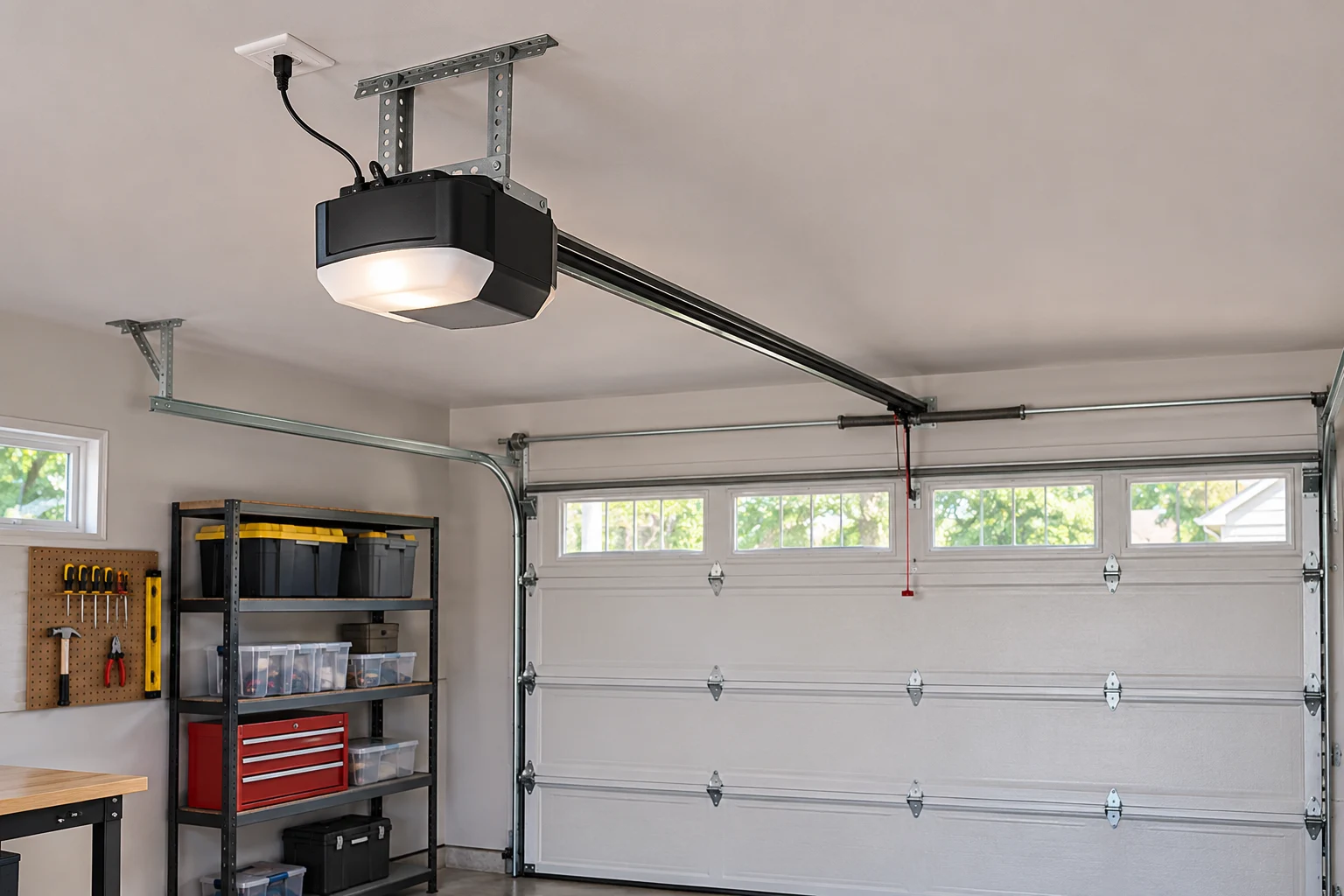
A remote-only problem is different from a door that refuses to move from every control. Mention whether the wall button works, whether the operator light flashes and whether the travel stops at the same point. Note any recent power outage or new remote. Do not repeatedly cycle an unstable or heavy door while troubleshooting controls.
A closing reversal has several possible causes
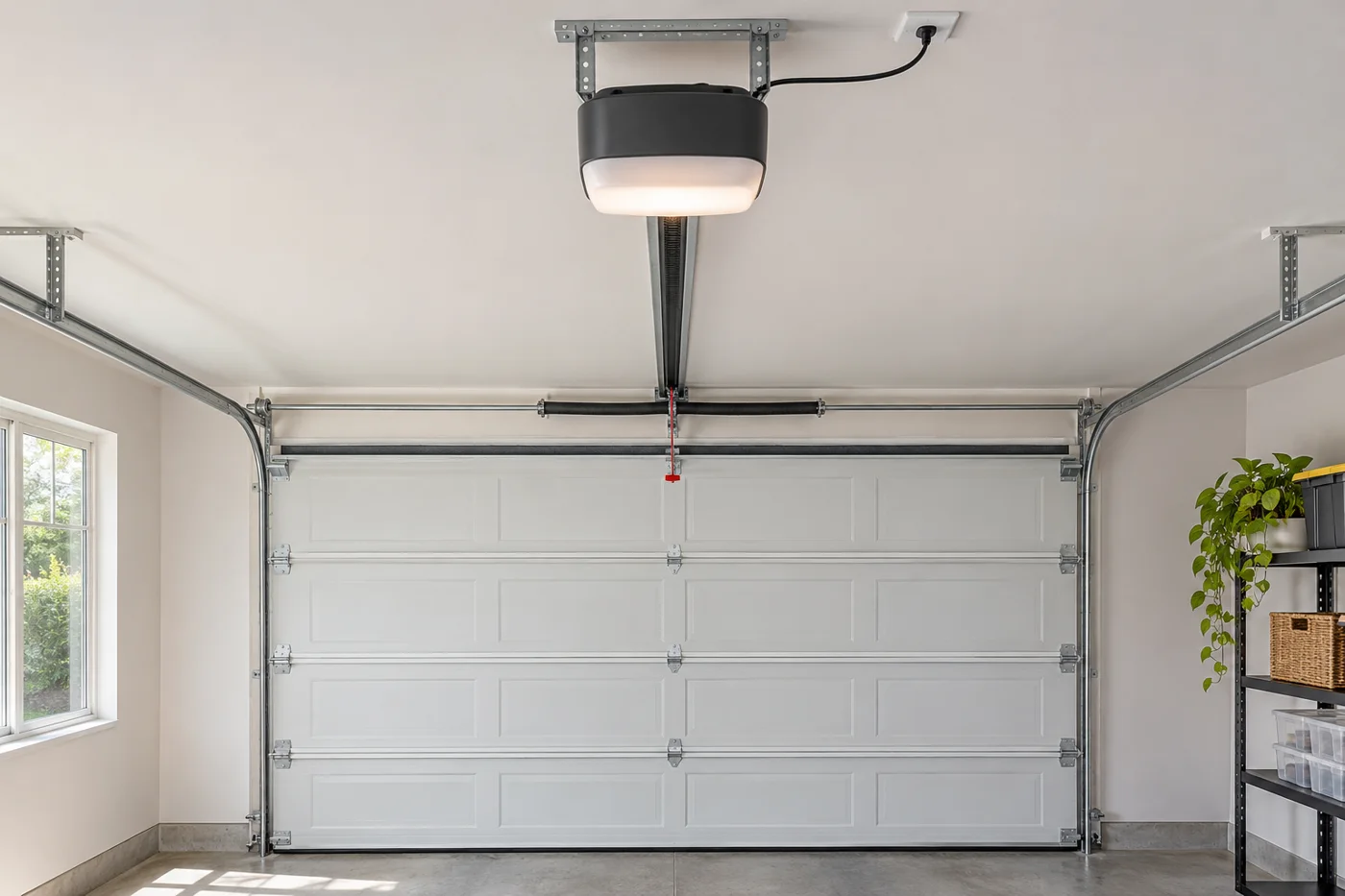
An obstruction, sensing issue, travel setting or physical door problem may change closing behavior. Keep children, pets and objects away from the opening. A visual check from the floor can establish whether an obvious object blocks the opening, but do not bypass sensors, change force settings or hold a control to defeat a safety response.
Repair or replace the operator
Age is only one factor. Condition, parts support, safety features, door compatibility and the nature of the failure all matter. A replacement plan should start with a sound, balanced door rather than using motor power to compensate for damaged lifting hardware. Read the exact model information safely if accessible and discuss the symptoms by phone.
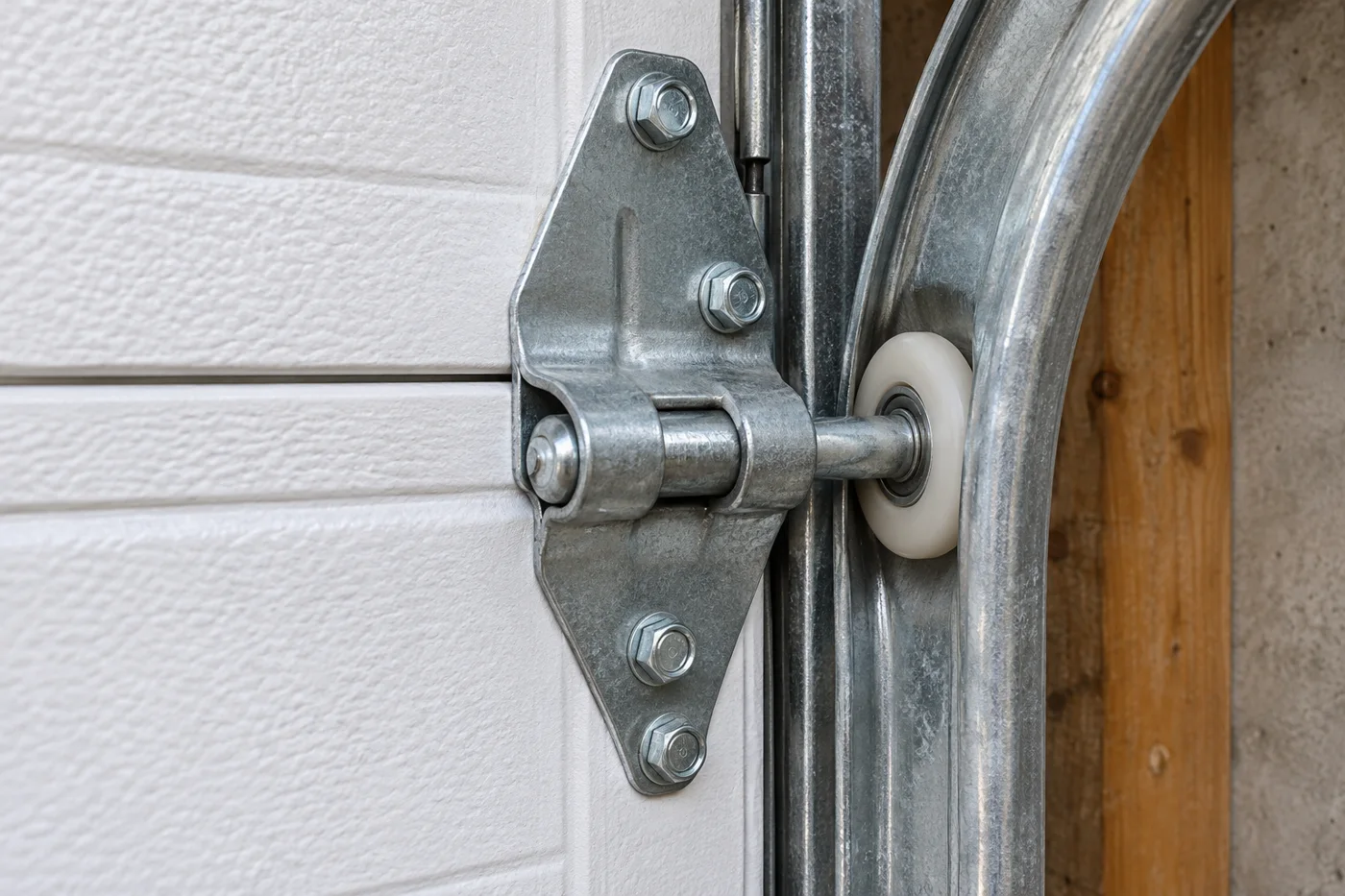
What to mention when calling
Have the brand and model ready if you can read them without climbing or reaching moving parts. Explain whether more than one control is affected, where the door stops and whether the problem changes with weather or daylight. Call to discuss diagnosis and the next available service step.
For your local garage
Central Massachusetts changes sharply between damp shoulder seasons and freezing winter mornings. Snow piled against the opening, a wet threshold and an unheated garage can all change what you notice at the door. A seasonal pattern is useful information; it is not enough to diagnose a spring, sensor or motor without an inspection.
Older detached garages, attached suburban bays and newer sectional doors can have very different headroom and access. A narrow driveway or a storage shelf above the opening matters just as much as the appearance of the panels.