A reversal is information
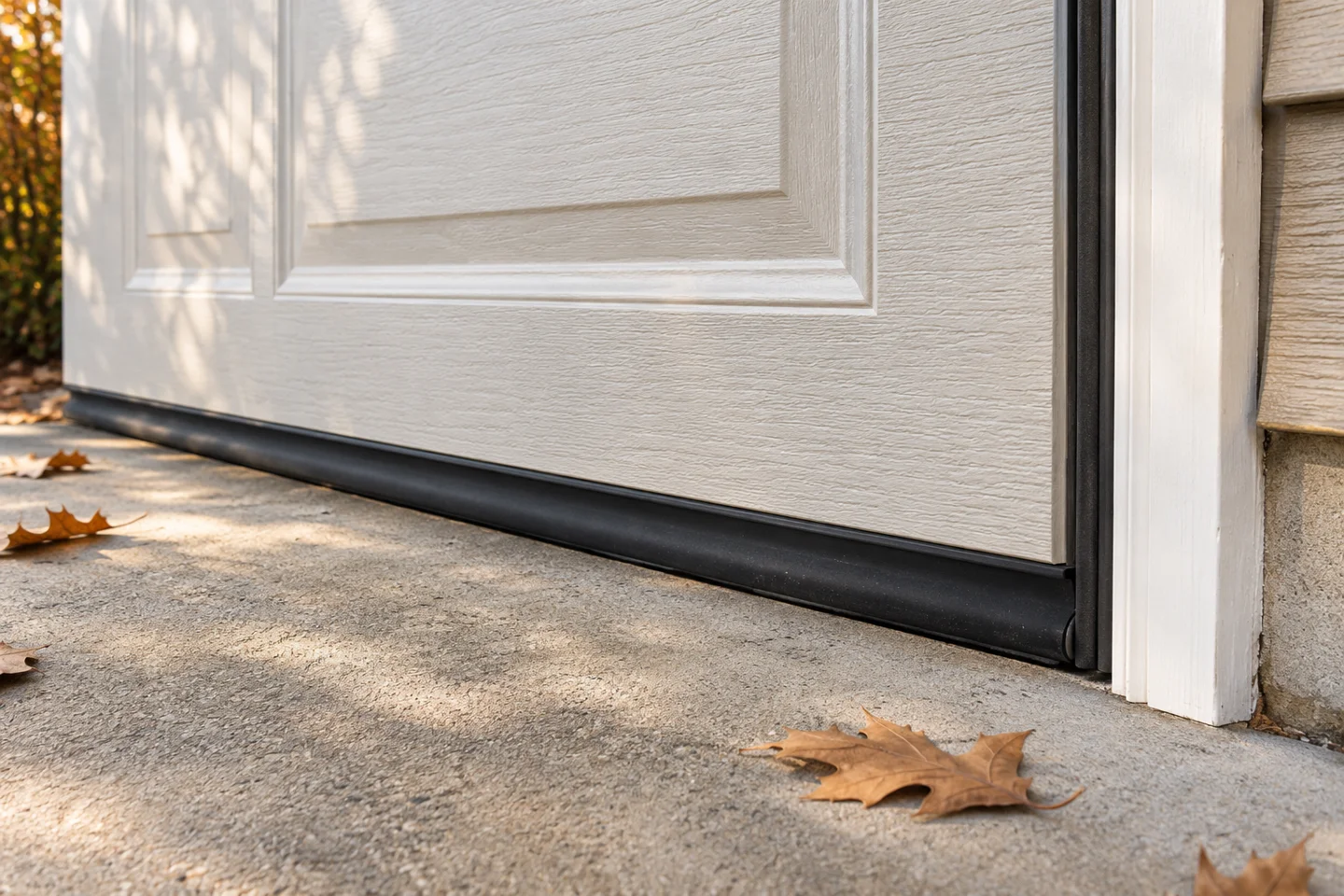
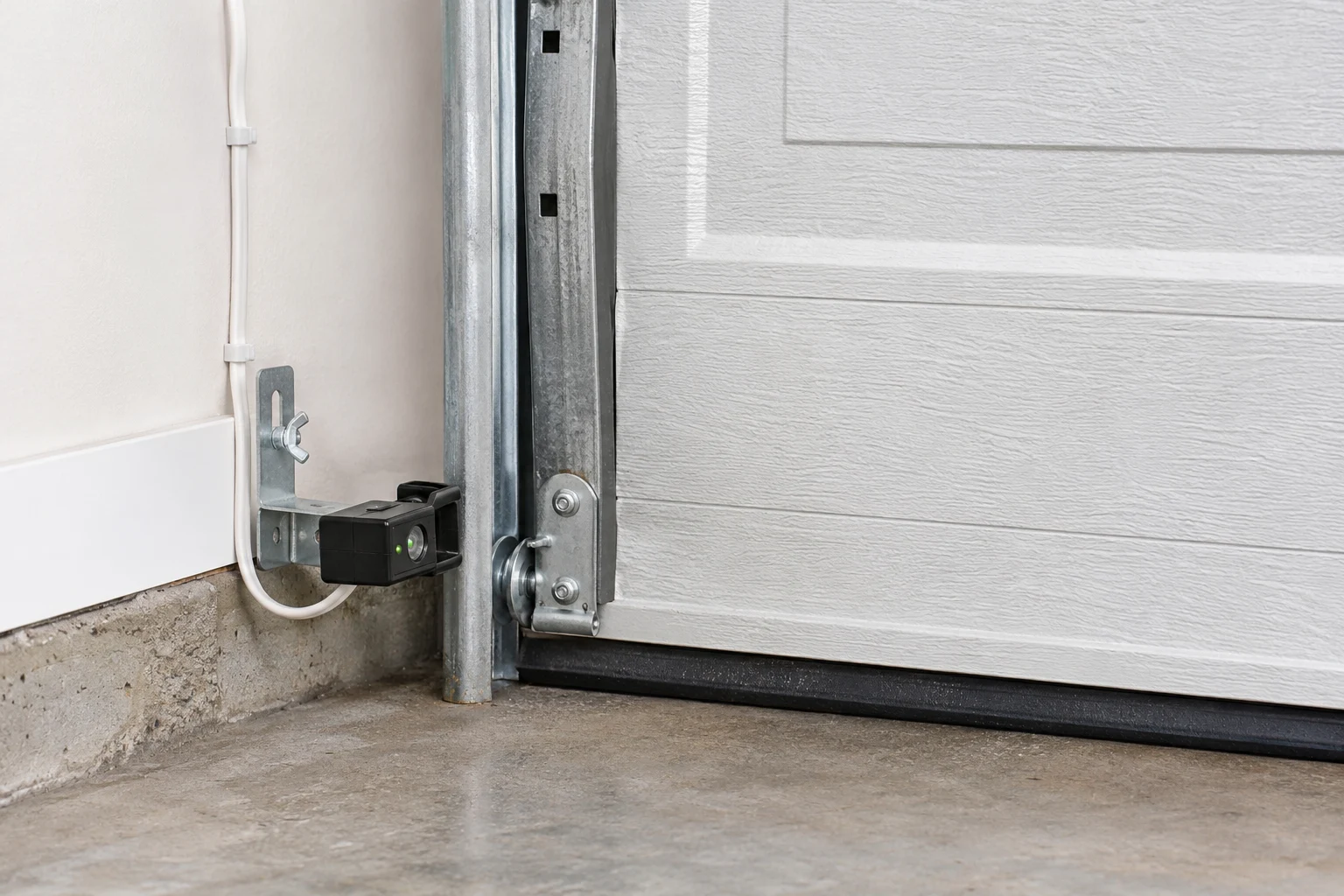
Objects in the opening, sensor alignment, wiring or another physical problem may affect a closing cycle. Start by keeping the opening clear and telling us what the door does. A working wall control and an unresponsive remote can add useful context. Do not defeat a safety device or change force settings to make the door close.
Use the exact operator instructions
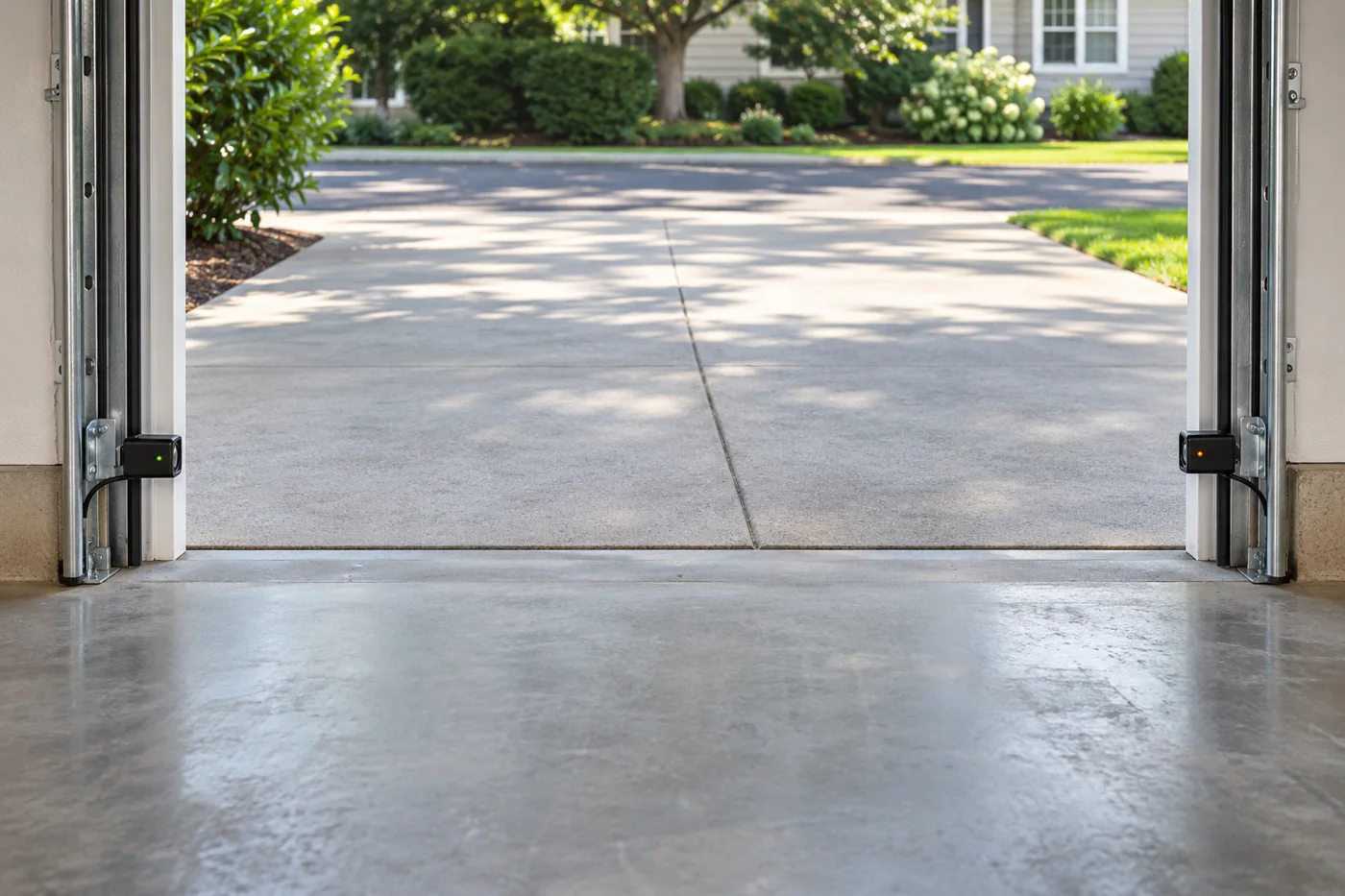
Indicator lights and diagnostic codes vary by model. A generic color description is not a diagnosis. Read an accessible model label safely from the floor and explain whether a warning is steady or flashing. Do not climb onto unstable storage, reach into the mechanism or move wiring near powered equipment to test a theory.
Look beyond the sensor alone
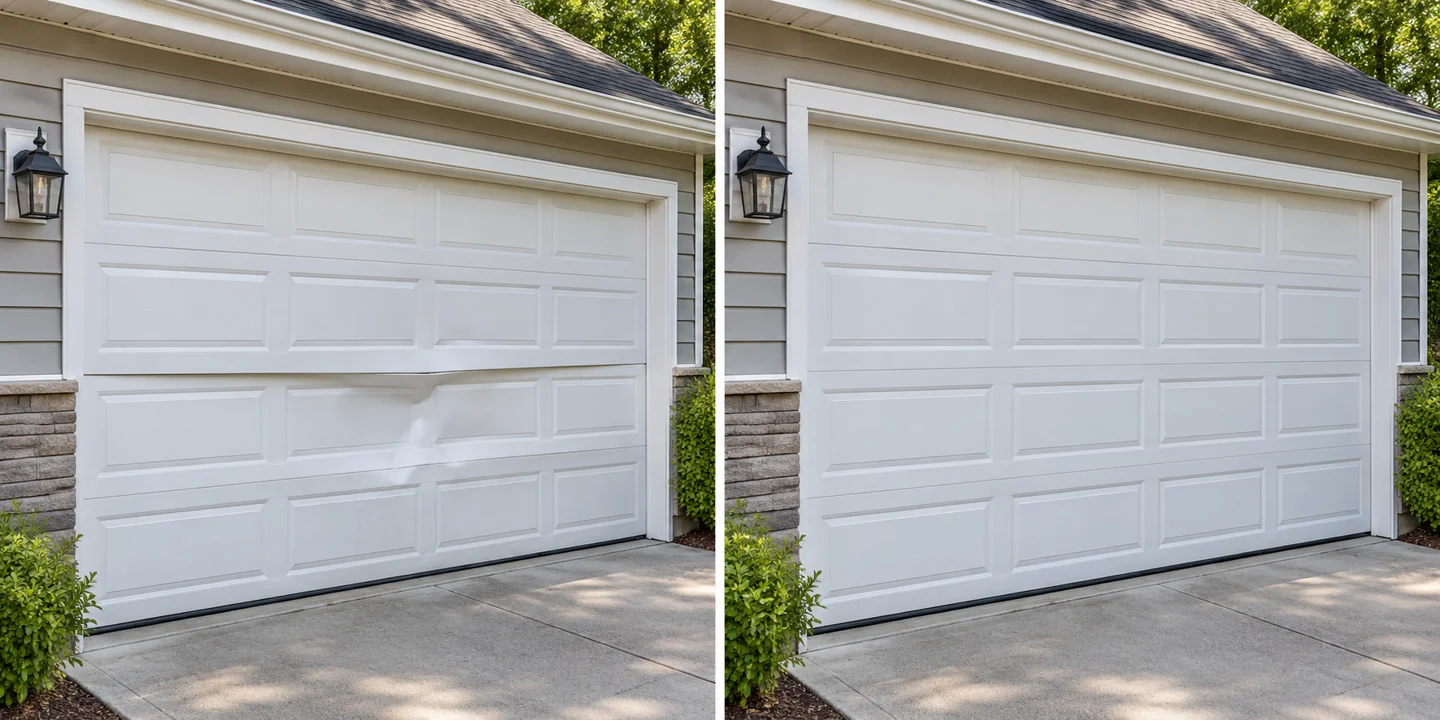
An obstruction, damaged track or stiff movement can need attention even when sensors appear aligned. The door and operator should be considered together so a safety response is not mistaken for a nuisance. Call to explain the sequence and discuss service suitability and appointment timing.
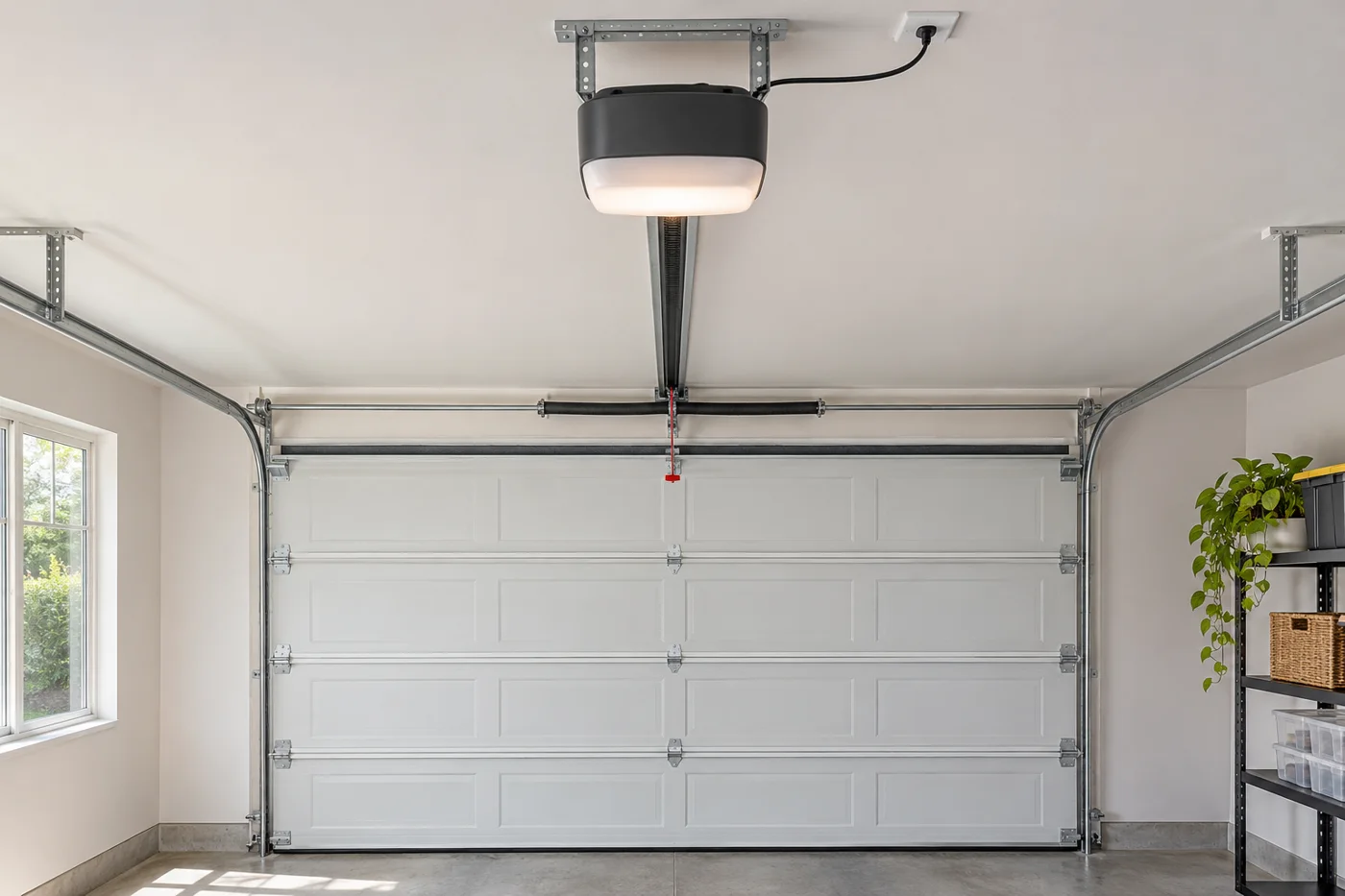
For your local garage
Central Massachusetts changes sharply between damp shoulder seasons and freezing winter mornings. Snow piled against the opening, a wet threshold and an unheated garage can all change what you notice at the door. A seasonal pattern is useful information; it is not enough to diagnose a spring, sensor or motor without an inspection.
Older detached garages, attached suburban bays and newer sectional doors can have very different headroom and access. A narrow driveway or a storage shelf above the opening matters just as much as the appearance of the panels.