
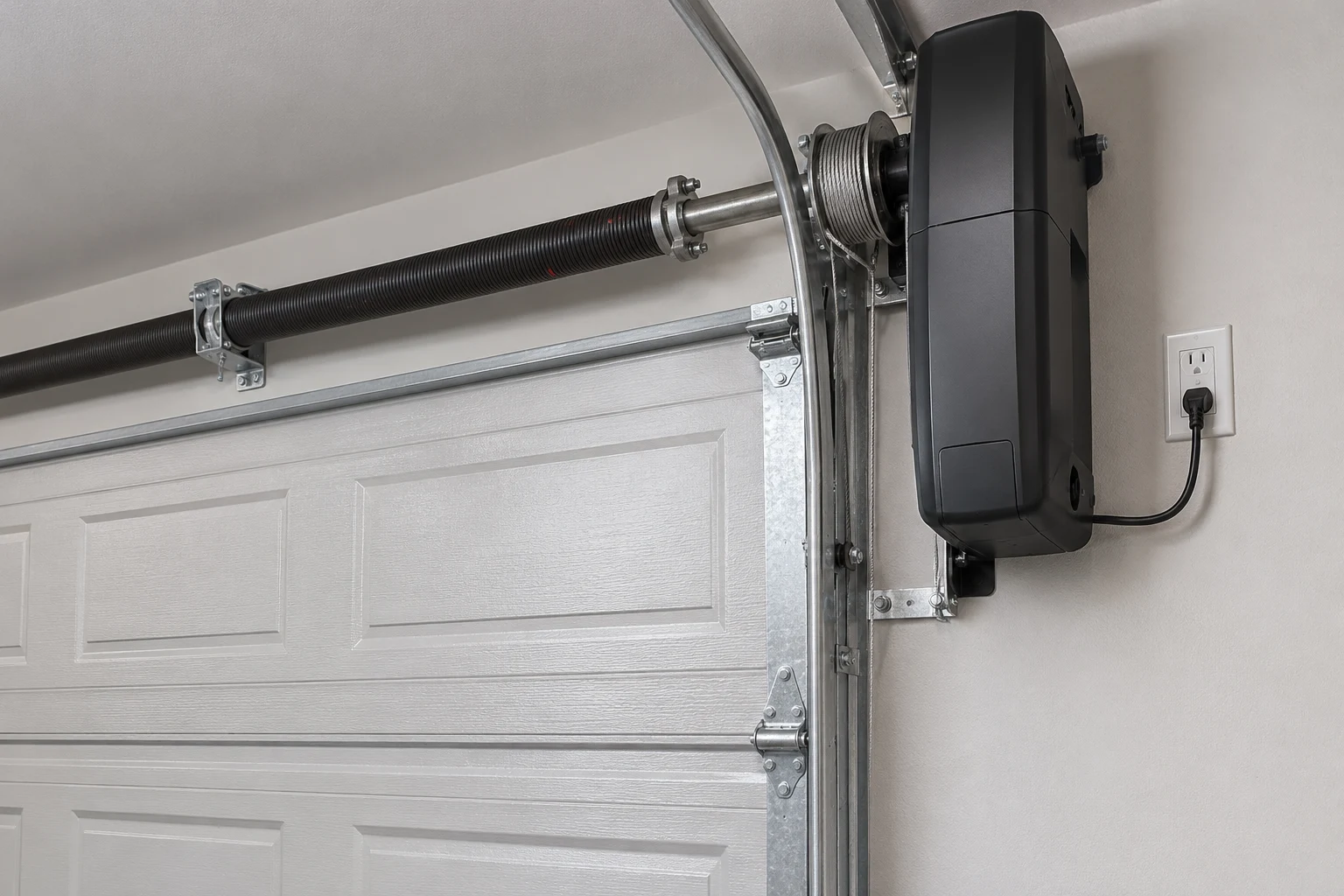
Need service? Explore the related service or call to discuss your garage.
Before smart features, check the door
A new operator should be planned around a sound, properly balanced door. If the door is heavy, crooked or physically damaged, that fault comes first. Motor power should not be used to compensate for failed lifting hardware. Tell us why you are considering a new unit and what the existing one does.
A remote that fails while the wall button still works is different from an operator that runs without moving the door. Explain that sequence before assuming replacement is necessary. The exact model can help if the label is safely readable.
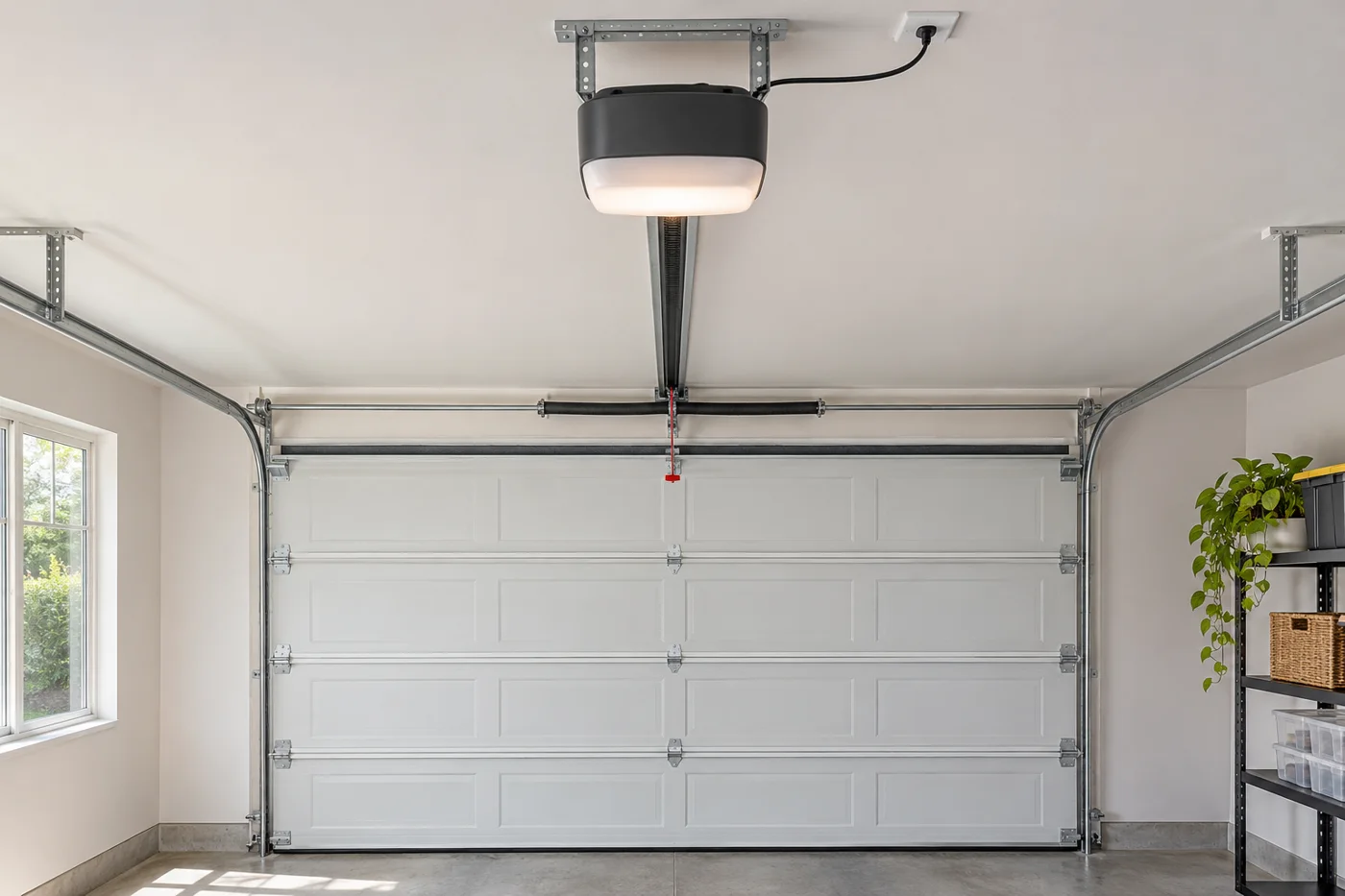
The ceiling is part of the specification
Rail length, headroom, ceiling fixtures and storage can affect the fit. An older detached garage and a newer attached bay may have different available space. A wall-mounted or ceiling-mounted unit has its own compatibility requirements; neither should be selected from appearance alone.
Mention available power and any area that is difficult to access. If electrical or building changes may be needed, clarify them as separate work. The proposed operator should fit the actual door arrangement and the space in which it moves.
List the controls you will actually use
Think through the number of remotes, keypad use and whether smartphone control matters to your household. Ask which items are included with the exact product. Connectivity may involve separate setup or account steps, so confirm those before expecting a particular feature to work.
Keep access credentials private. Convenience features do not replace safe operation or the model-specific instructions. A warning light or closing reversal should be investigated rather than defeated through a setting change.
| Decision | Check before choosing |
|---|---|
| Reuse or replace | Condition and diagnosis of the existing unit |
| Mounting style | Door compatibility and available space |
| Connected controls | Exact product support and setup needs |
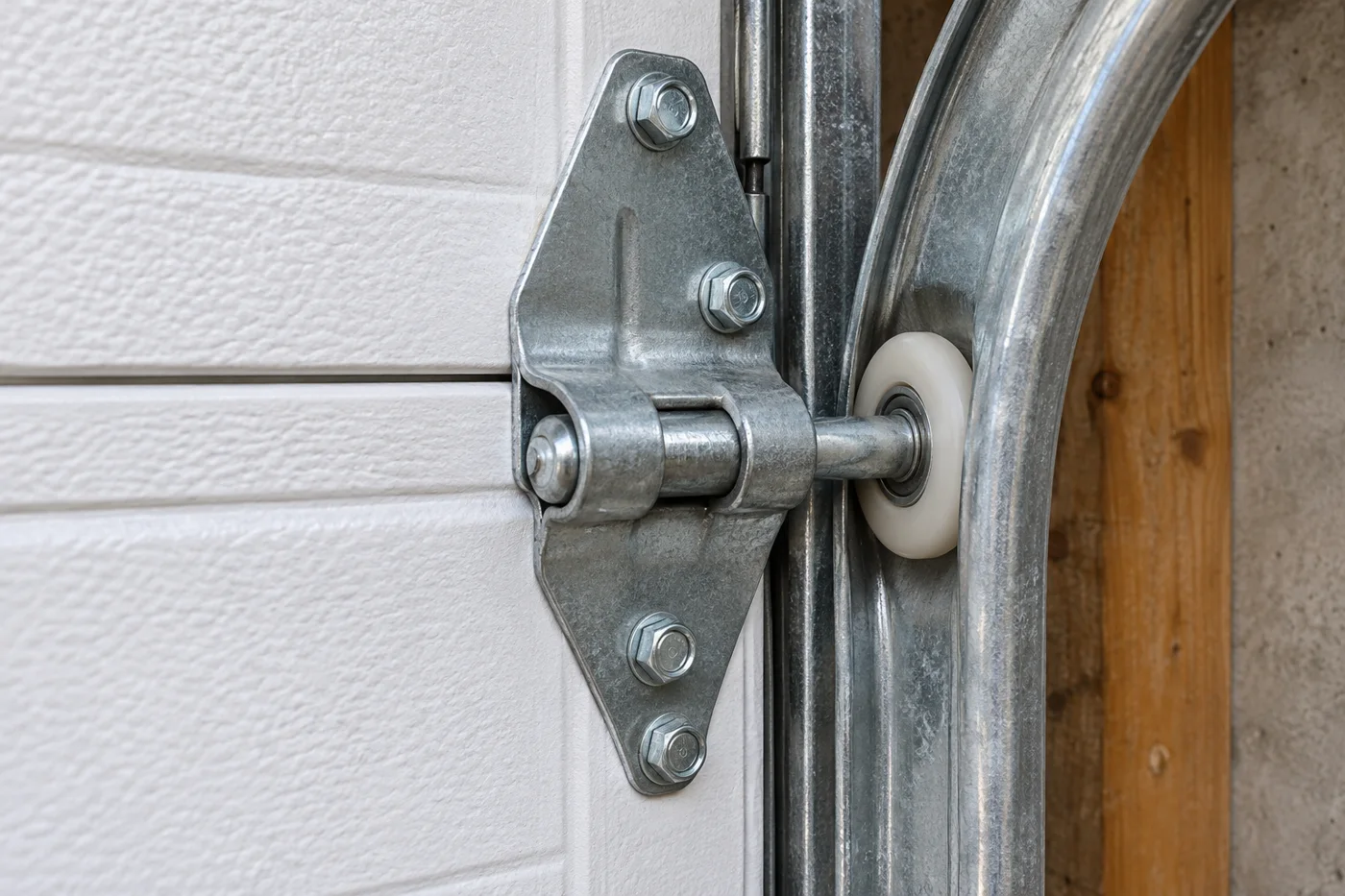
Plan for the people who use the controls
Consider where a keypad can be reached, who needs a remote and how visitors or family members normally enter. Those use details can be discussed without sharing a current entry code. Ask how compatible accessories are identified for the exact operator and how future replacements should be selected.
If the garage is the household’s main entrance, discuss the release instructions and access arrangement as part of the handover. Do not assume every connected feature remains available during a power or connectivity interruption. Confirm the behavior of the specific product instead of relying on a general smart-home description.
Leave with the right instructions
Ask how the operator is connected, how applicable safety functions are checked and how to use the manual release under appropriate conditions. Keep the model details and instructions accessible for future service.
Call with the door type, available clearance and the controls affected. If a new door is also being considered, discuss both assemblies together. The assessment determines the scope, and appointment timing is confirmed by phone.
Further reading
Follow the instructions for your exact door and operator. This guide supports recognition and planning; work on loaded lifting hardware belongs with a trained door-systems technician.
DASMA: Garage door system safety ↗U.S. CPSC: Automatic garage door opener safety ↗