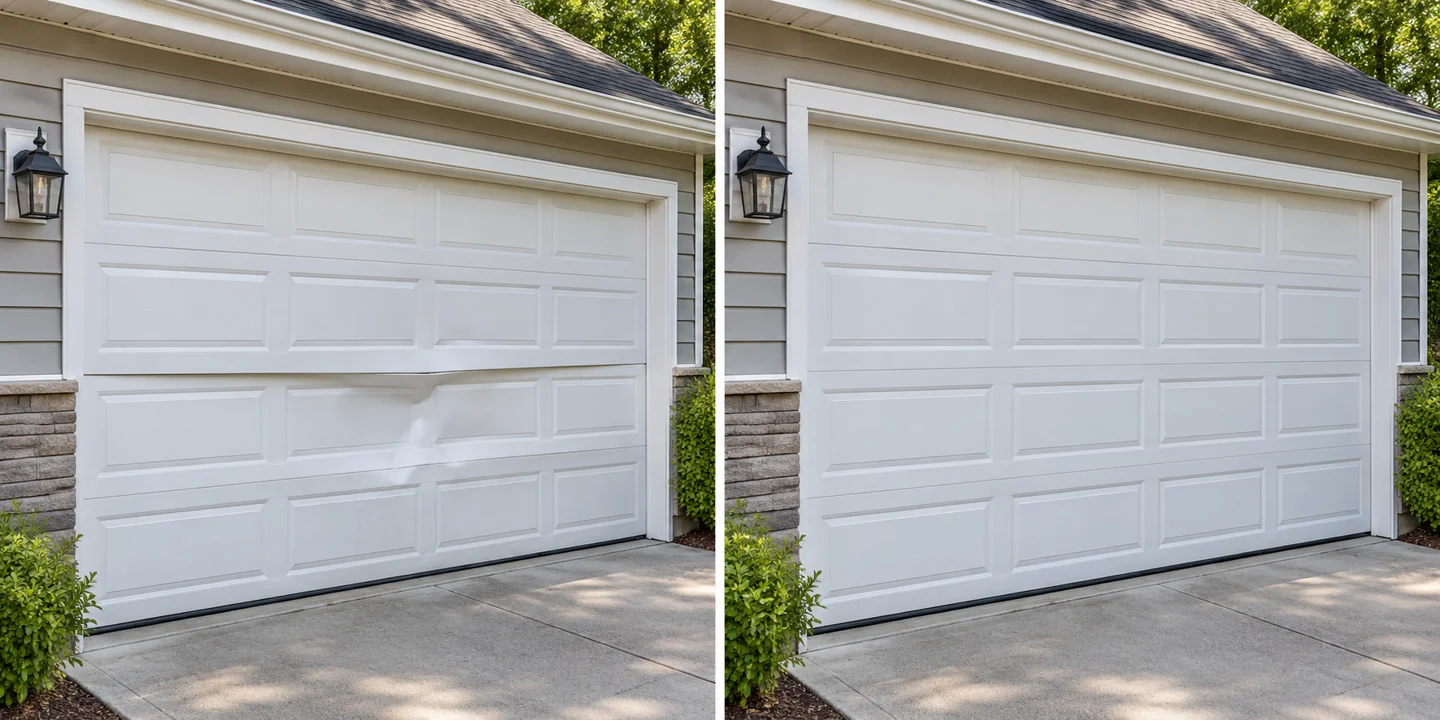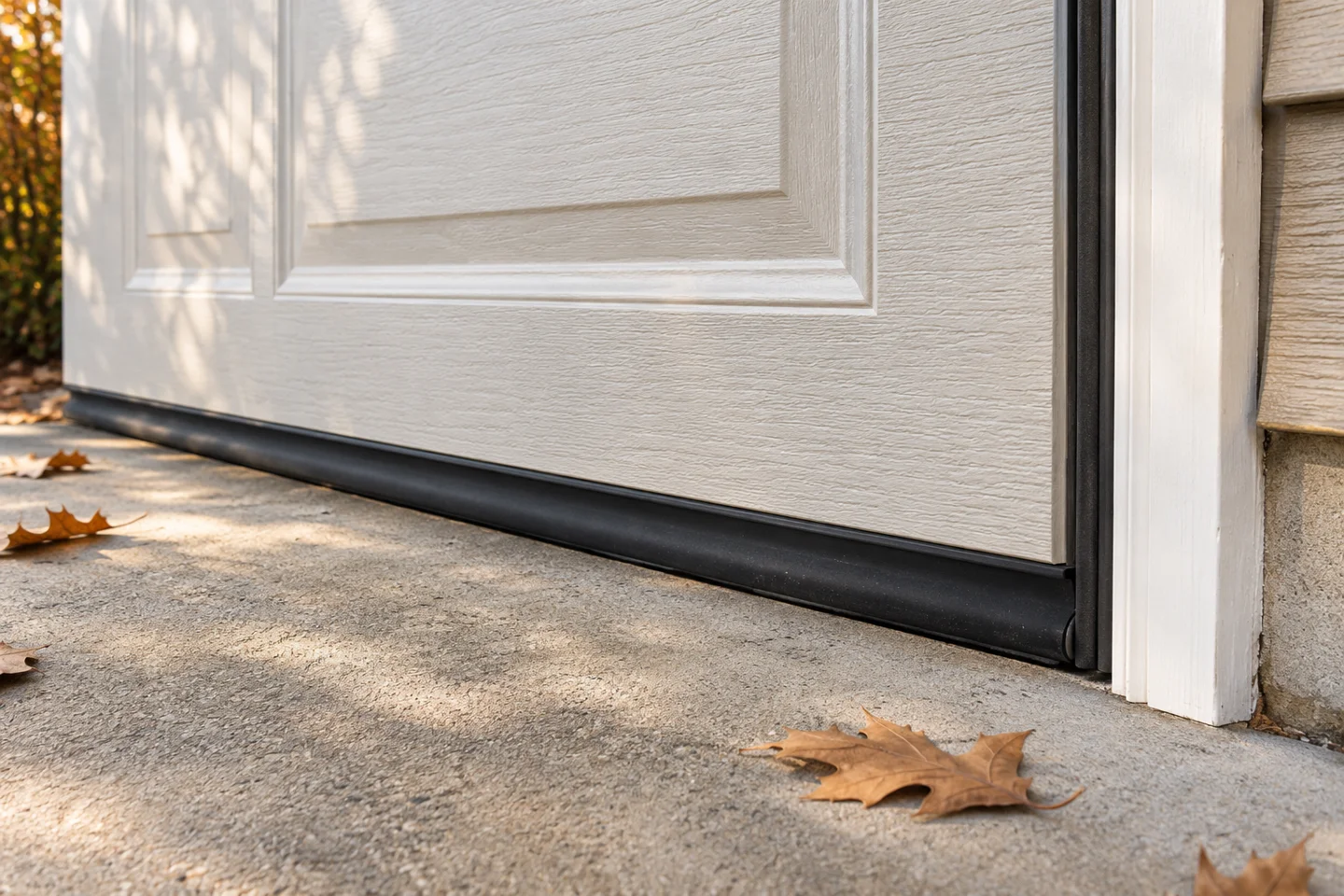
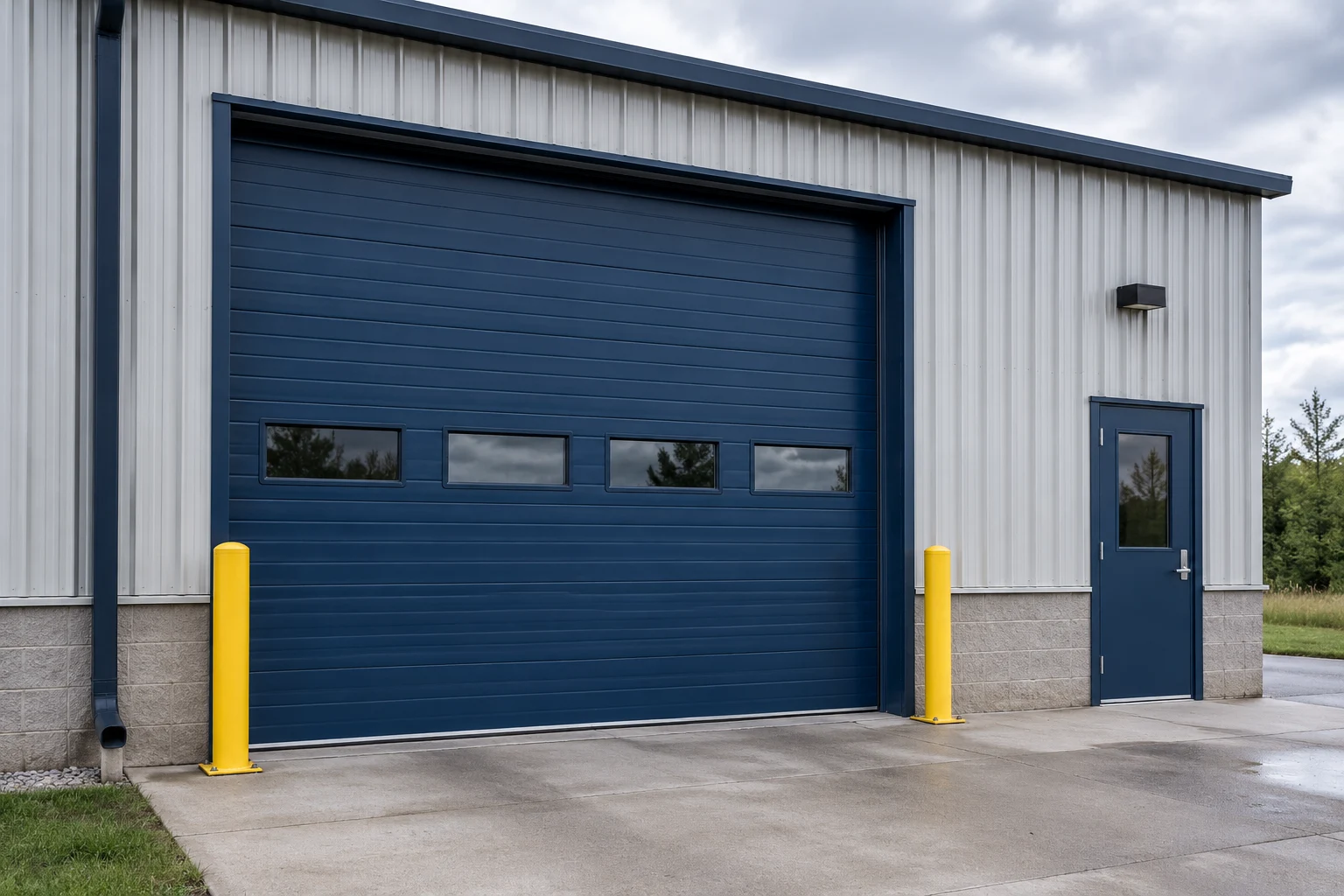
Identify the equipment first
Describe whether the opening has a sectional door, a rolling curtain or another assembly. Mention the approximate opening size, operator type and how often it cycles during the day. Residential components and assumptions do not automatically apply to commercial equipment. A photo or model label may assist later, but start with the equipment description on the call.
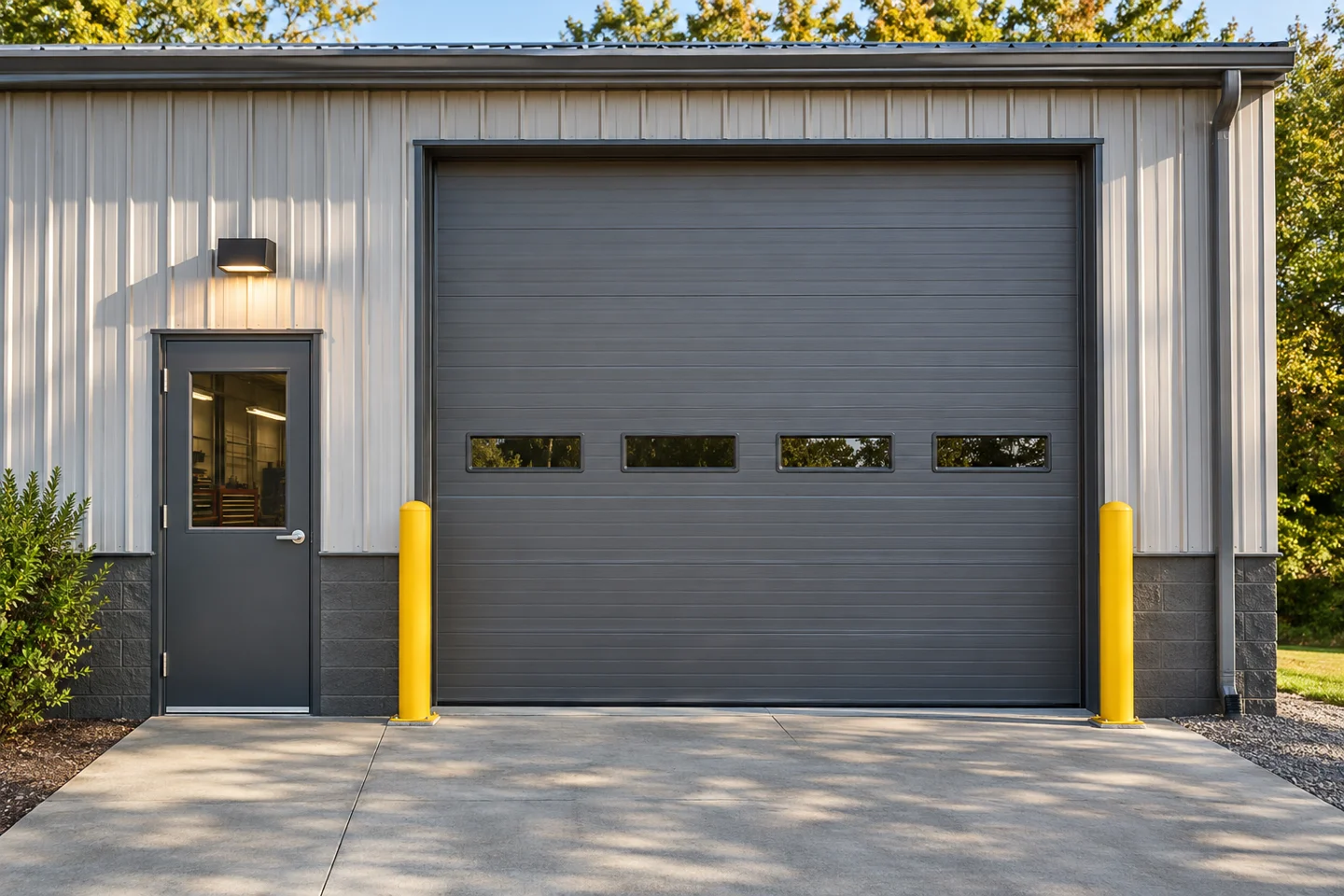
Access and business activity matter
Explain vehicle movements, loading schedules, pedestrian routes and any immediate obstruction. Keep people away from an unsafe opening and use the building’s established access controls. A damaged door at a busy entrance may need a different plan from one that can remain closed. Do not continue using a leaning or unstable assembly to keep operations moving.
Clarify the scope before scheduling
Tell us about the property contact, site access, equipment history and any applicable building requirements. Specialized systems such as fire-rated, high-speed or dock equipment require separate confirmation; this website does not establish that every commercial assembly can be serviced. Call to discuss the request and the appropriate next step.
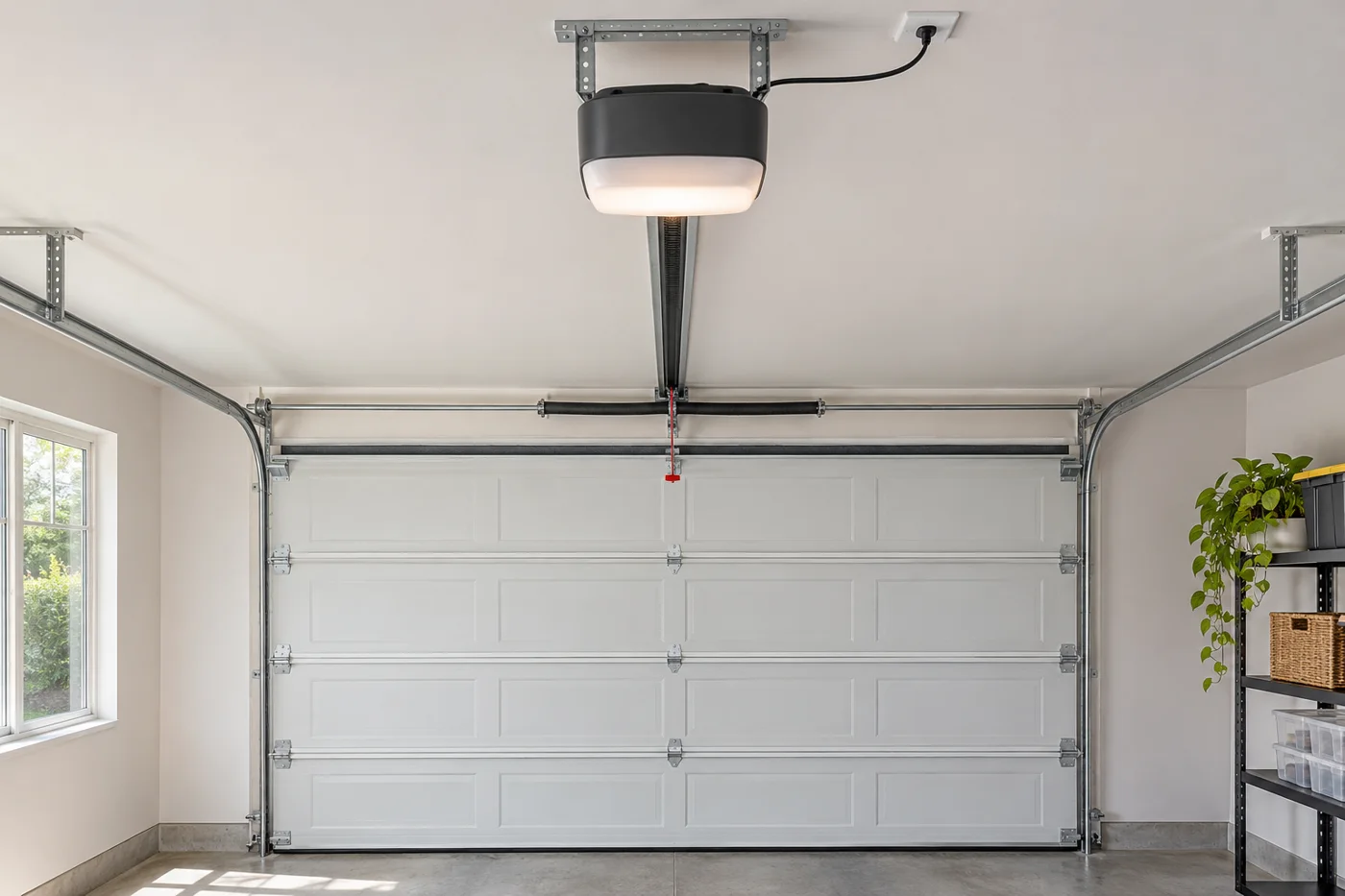
For your local garage
Central Massachusetts changes sharply between damp shoulder seasons and freezing winter mornings. Snow piled against the opening, a wet threshold and an unheated garage can all change what you notice at the door. A seasonal pattern is useful information; it is not enough to diagnose a spring, sensor or motor without an inspection.
Older detached garages, attached suburban bays and newer sectional doors can have very different headroom and access. A narrow driveway or a storage shelf above the opening matters just as much as the appearance of the panels.