
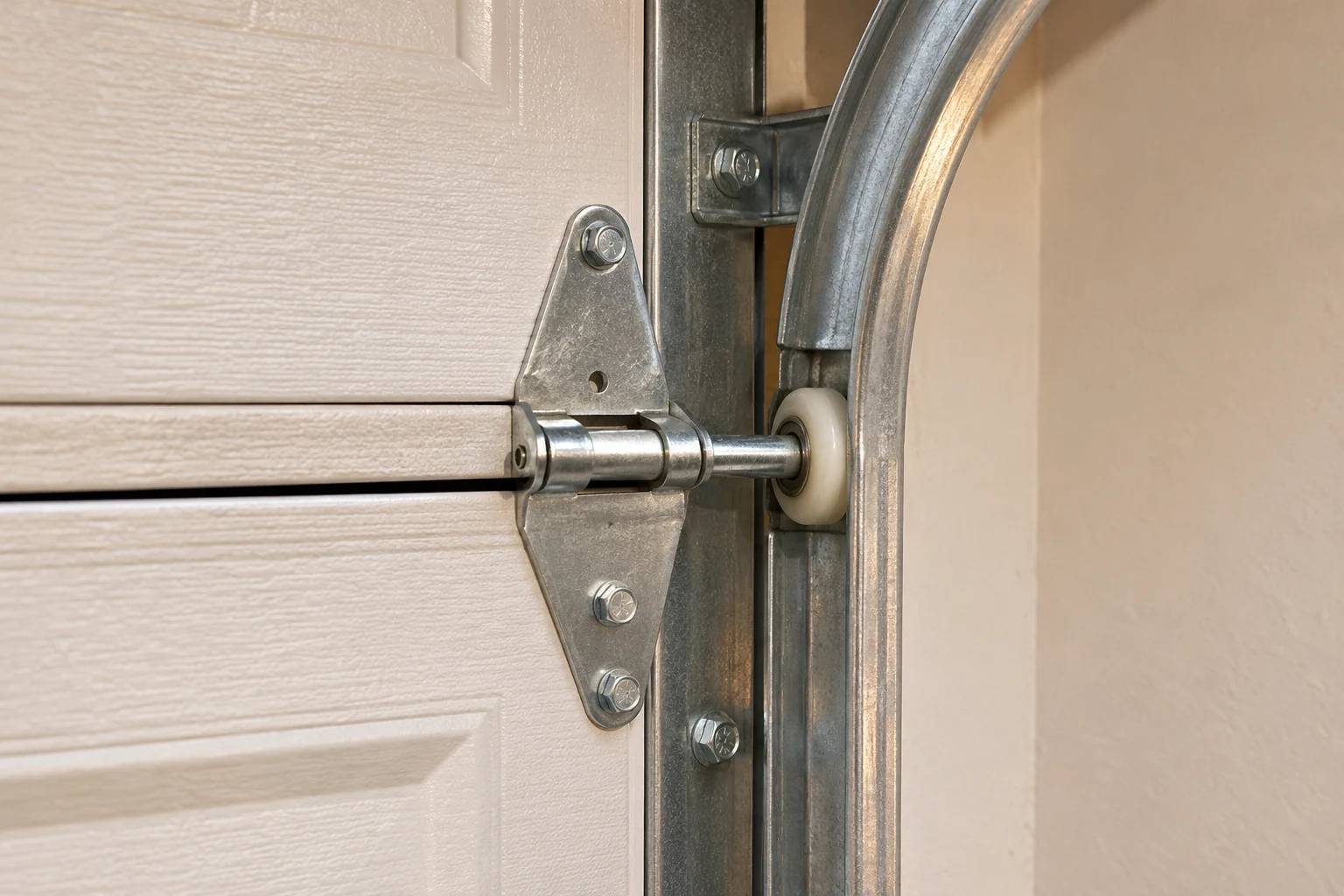
Need service? Explore the related service or call to discuss your garage.
Use seasonal changes as observations
Around Worcester, a door may show a different symptom after a freezing night, a damp spell or repeated summer use. Record the pattern: when it happens, which direction the door is moving and what the controls do. Weather is context, not a diagnosis.
Stop use if the door becomes suddenly heavy or uneven, or a cable appears loose. Do not force a door that seems caught at the threshold. Describe the condition by phone and keep the opening clear.
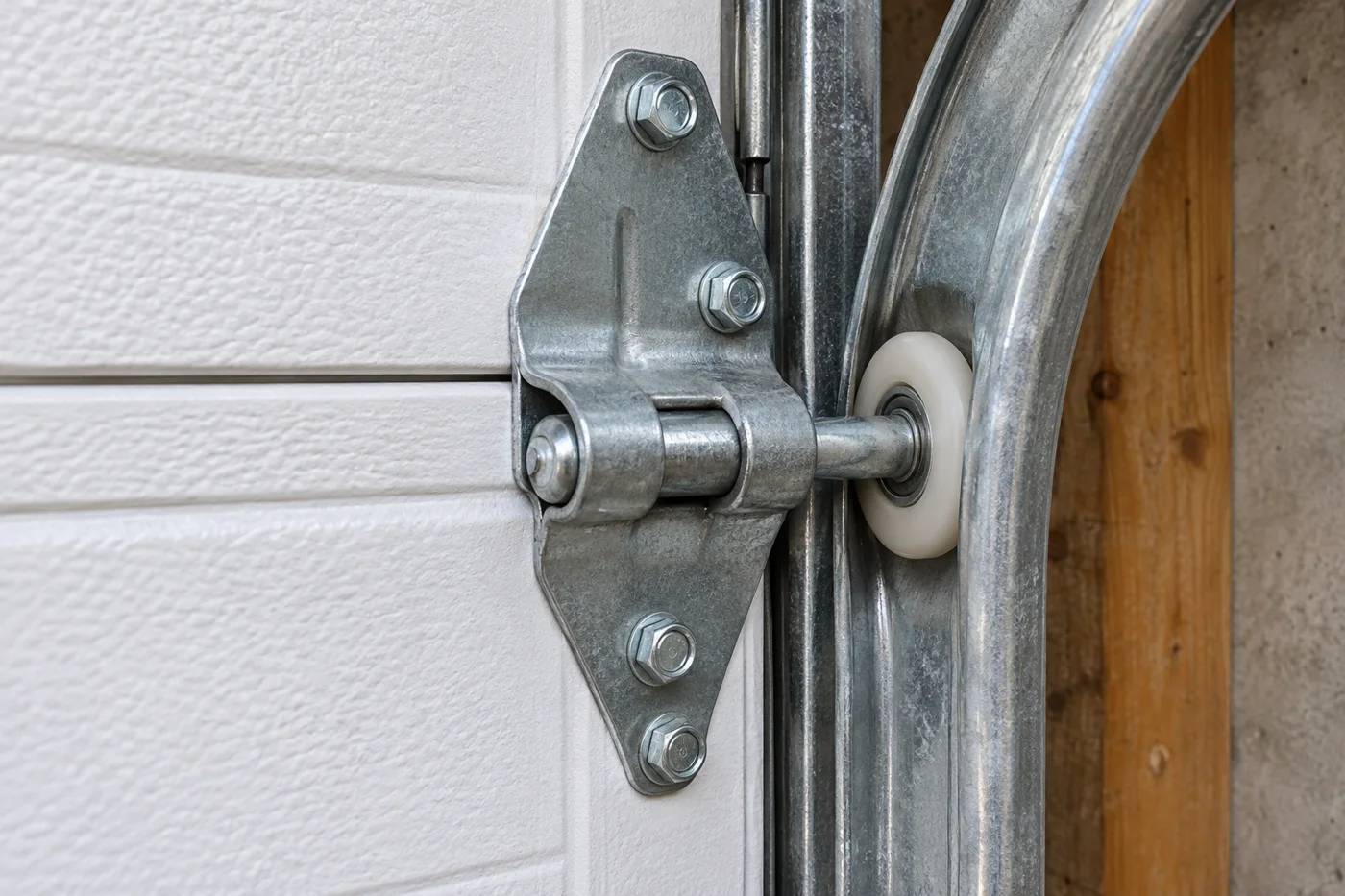
A short checklist from a safe position
Notice changes without working on loaded parts. You can tell us about a new scrape, a damaged seal or a control that no longer behaves normally. The appropriate maintenance procedure and materials come from the instructions for the specific door and operator.
| Area to observe | Useful information to share |
|---|---|
| Travel | New noise or stopping at the same point |
| Perimeter | Visible damage or water near the threshold |
| Controls | Which control fails and any warning pattern |
| Recent history | Operator changes, impacts or prior adjustments |
Keep maintenance and repair separate
Lubrication does not correct a broken spring, damaged panel or loose lifting cable. Do not tighten bottom fixtures or make spring adjustments as part of a general checklist. Those components can remain loaded even when the door is still.
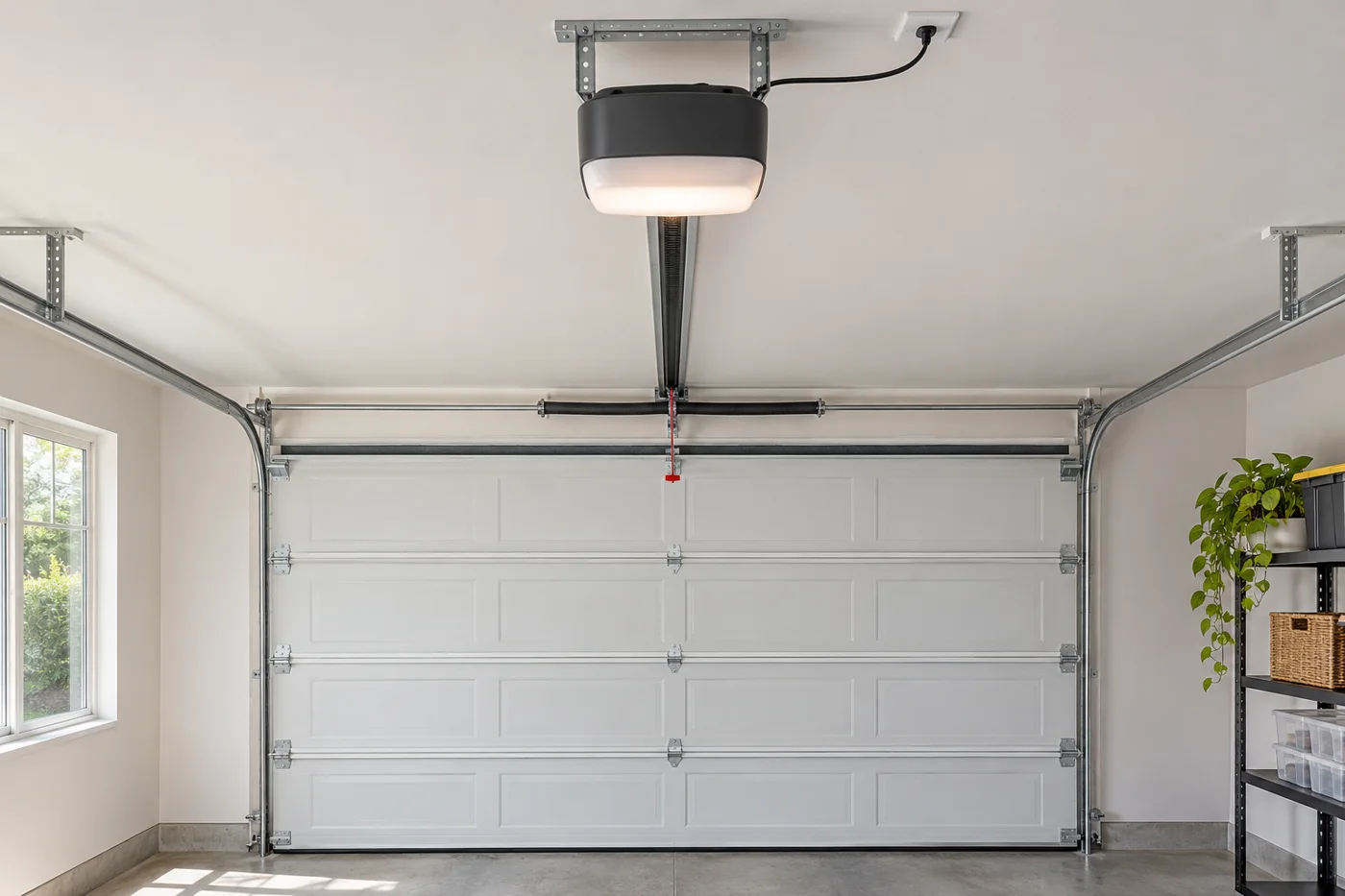
A proper service conversation considers the whole door, not just the panels. Tracks, hinges, rollers, seals, balance and the operator each have different roles. Ask which findings call for repair and which are part of routine upkeep.
Keep a small service history
A record does not need to be complicated. Note the model, a service date when known, the work described and any later symptom. If the operator was replaced but the door retained, keep both sets of information. This can help a future assessment distinguish the age of the motor from the history of the lifting hardware or panels.
Maintenance is more useful when the findings are understandable. Ask what was observed, whether any issue needs separate repair and which owner checks are appropriate under the equipment instructions. A clean-looking door is not proof that its balance, attachments or controls have been assessed.
Plan for how the garage is used
An attached garage used as the main household entrance may cycle more often than a detached storage bay. Mention that routine, overhead storage and any room beside the garage. Keep the equipment instructions and service history together so future calls start with accurate information.
Call with the symptom and the model details you can read safely from the floor. Discuss the inspection scope and appointment timing. If the door is already unstable, start with a repair request rather than continuing an ordinary maintenance routine.
Further reading
Follow the instructions for your exact door and operator. This guide supports recognition and planning; work on loaded lifting hardware belongs with a trained door-systems technician.
DASMA: Garage door system safety ↗U.S. CPSC: Automatic garage door opener safety ↗